
Iran Supreme Leader Death: What You Need to Know
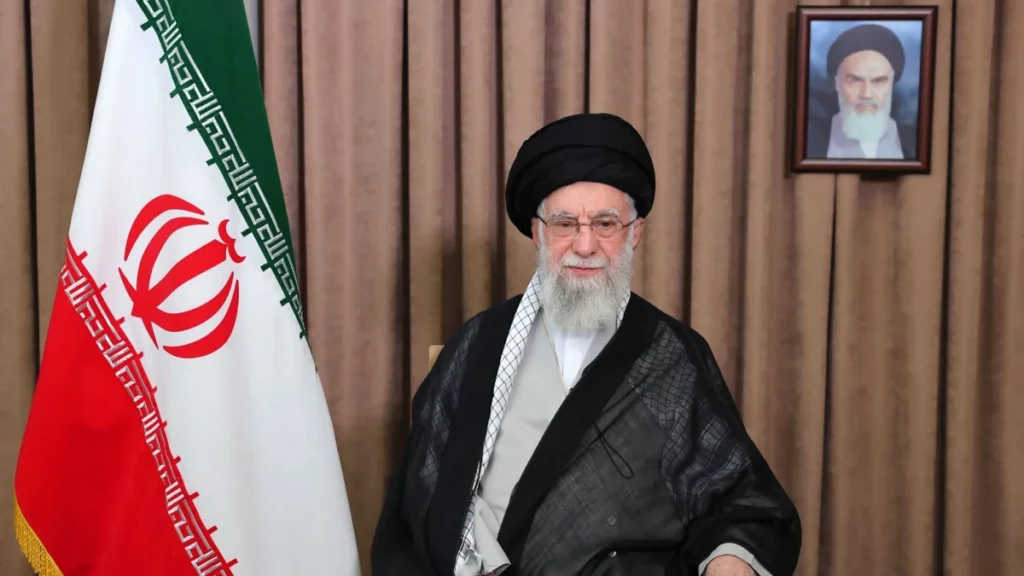
Iran’s Supreme Leader, Ayatollah Ali Khamenei, is dead.
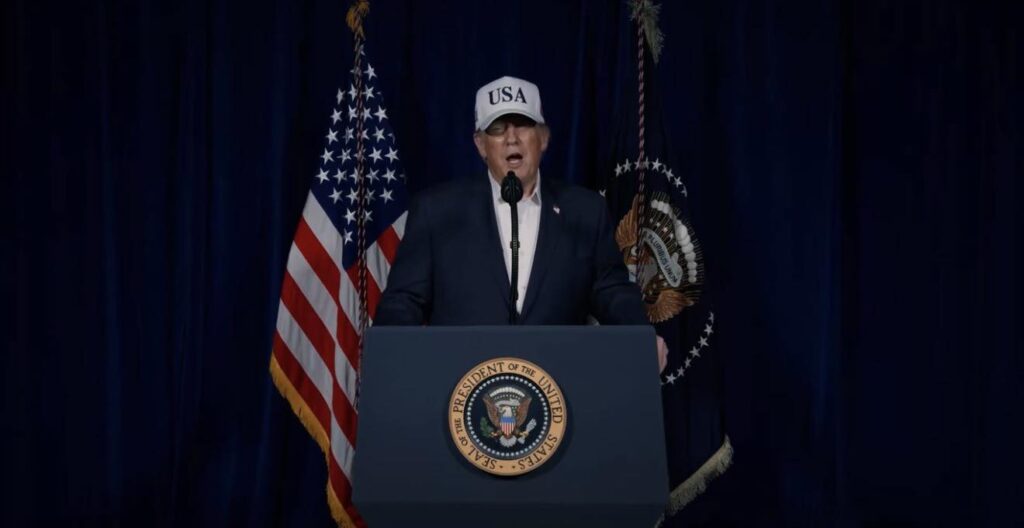
Iranian state television confirmed his death after a joint U.S.–Israeli military strike.
This event marks a major shift in Iranian politics and has global implications.
Who Khamenei Was
- He led Iran since 1989, after the first Supreme Leader’s death.
- He held ultimate authority over Iran’s government, military, and judiciary.
- Khamenei was a central figure in shaping Iran’s policies.
How He Died
- The Iranian government said he was killed during airstrikes by the U.S. and Israel.
- His death was confirmed by multiple international news outlets.
- Reports say his family members were also killed in the attack.
Official Announcement
- Iranian state media broadcast the news and declared him a “martyr.”
- A 40‑day national mourning period was announced.
- A televised announcement showed deep emotion from broadcasters.
Why This Matters
You may wonder why this matters beyond Iran. The Supreme Leader has long influenced the Middle East and global relations. A sudden change at the top can ripple across economies and geopolitics.
Regional Reactions
- Shiite communities in countries like Pakistan, Lebanon, and Iraq reacted strongly. Demonstrations and unrest were reported.
- Responses vary from mourning to celebration, reflecting deep regional divisions.
Global Security Impacts
- U.S. intelligence warns of possible retaliatory actions by Iran or allied groups.
- Missile and drone exchanges have already occurred.
- This continues ongoing tensions over nuclear ambitions and proxy conflicts.
Economic and Market Effects
You should pay attention to markets, especially energy prices:
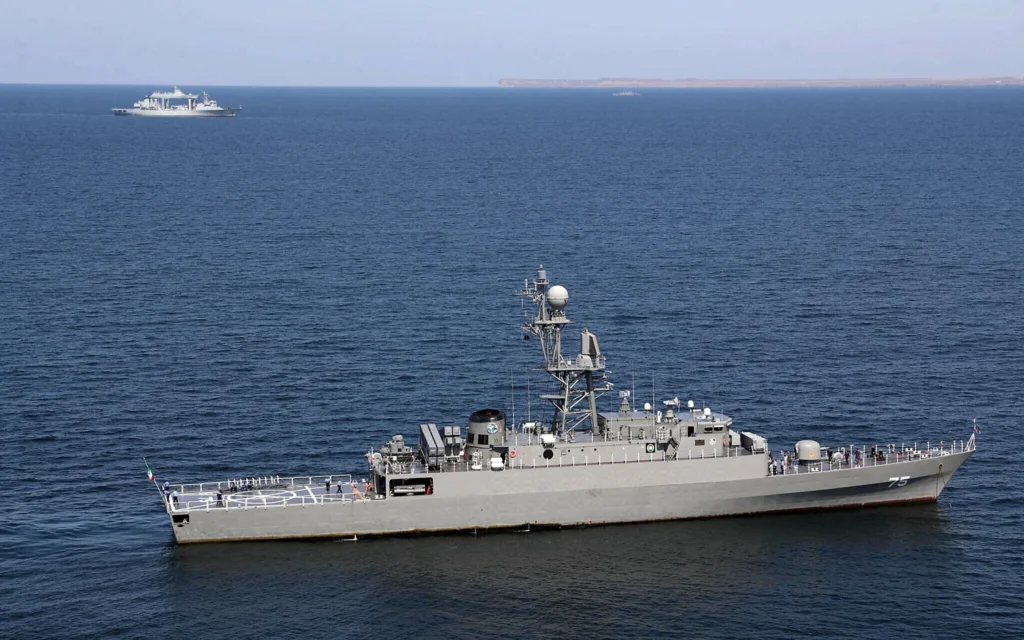
- Iran sits near the Strait of Hormuz, a major oil transit route.
- Disruption or continued conflict may influence oil supply and prices globally.
Leadership and Succession
- Iran’s constitution gives the Assembly of Experts power to choose the next leader.
- An interim leadership council has been formed.
- The process could take time and may intensify internal political dynamics.
What This Means for You as a Reader
- If you follow international affairs, this changes how Middle East policy evolves.
- Investors and businesses linked to energy sectors should track price movements.
- Canadians with ties to the region may face travel uncertainty.
Public Response Inside Iran
- Citizens in major cities held vigils and public gatherings.
- Some Iranians view his death as an opportunity for change.
- Others fear instability and retaliation.
International Diplomatic Moves
- Western and regional governments are issuing statements.
- NATO, U.N., and other bodies are monitoring the situation.
- Calls for restraint and de‑escalation are emerging from various capitals.
Key Questions You Might Ask
- Who will be Iran’s next leader?
- Will this shift Iran’s engagement with the West?
- How will regional alliances react to this power change?
Inside Iran’s Power Structure
Understanding Iran’s leadership helps you see the implications:
- The Supreme Leader oversaw military and domestic policy.
- Removing a long‑serving leader creates uncertainty in governance.
- Revolutionary and military institutions may play bigger roles going forward.
Internal Link Section
For a break from global news and tension, explore local travel inspiration.
Read this Bonbon Beach quick getaway guide here: https://romblonparadise.com/bonbon-beach/
What Comes Next
- Follow verified news outlets for updates.
- Watch official statements from Iran and allied nations.
- Monitor changes in global markets tied to energy.
Your Takeaway
Iran’s Supreme Leader’s death is more than a headline.
It affects international relations, regional stability, and possibly world energy markets.
Stay alert to new developments and evaluate information from reliable sources.